PAYROLL FOR CONSTRUCTION WORKERS

Payroll for Construction Workers and Payroll for Contractors: A Construction HCM Software Guide
No two weeks look the same on a job site. Crews move between projects, wage rates shift depending on which contract they're working under, and a foreman rarely has time to double-check hours against three different pay rules before Friday. That's exactly why payroll for construction workers and payroll for contractors is harder to get right than payroll in almost any other trade — and why so many general contractors eventually outgrow their spreadsheet.
3+ — pay rates a single worker may hit in one week
50 — states with different prevailing wage rules
0 — margin for error on a certified payroll report
Below is a practical look at what construction HCM software should actually do — from getting a new hire cleared for a job site to choosing a payroll provider that won't buckle once you're running several active projects at once.
Day One on the Job Site
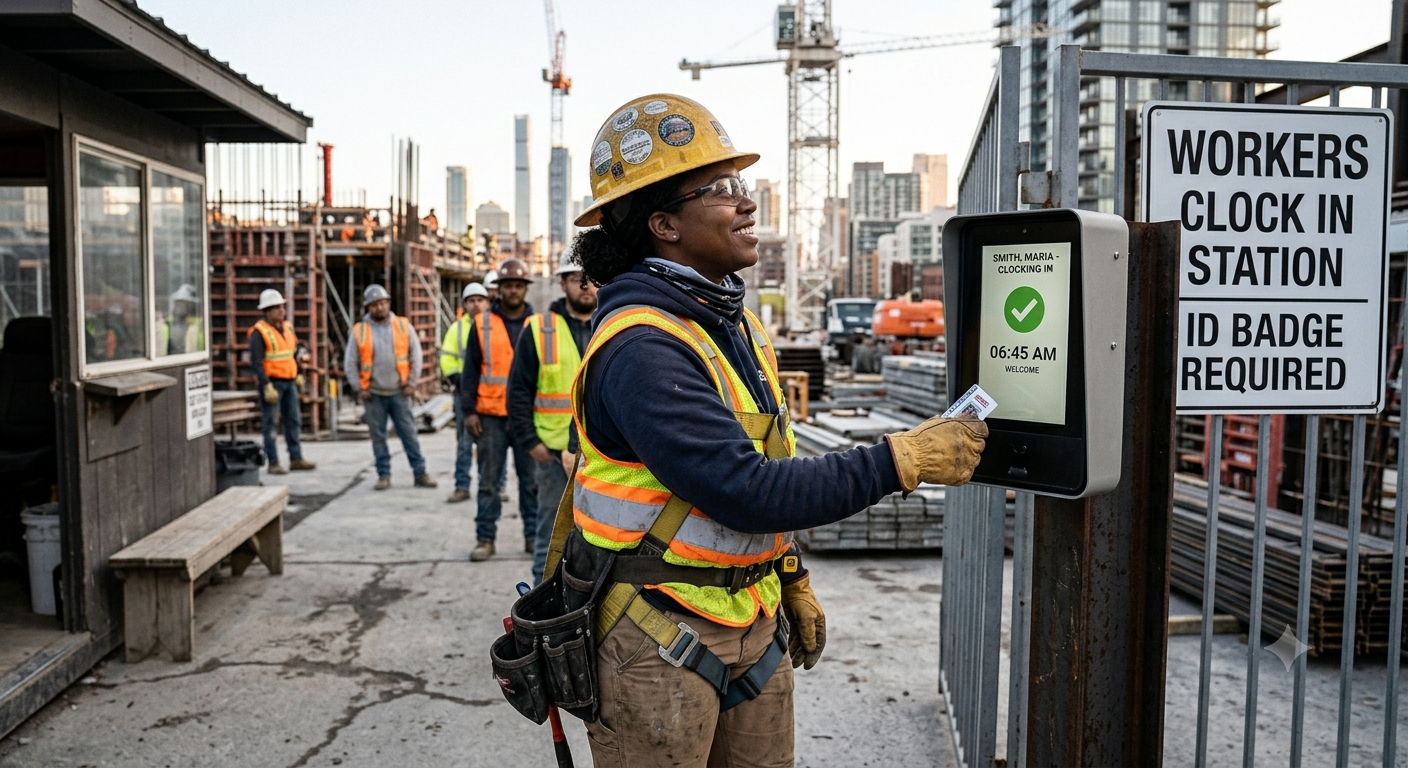
New hires in construction don't have the luxury of a slow first week. A laborer or subcontractor needs to be cleared and productive almost immediately, which means onboarding paperwork has to happen before boots hit the ground — not in a site trailer on day one. That includes I-9s, W-4s, and state tax forms, but also OSHA certifications, equipment operator licenses, and safety training records that need automatic expiration tracking.
A crane operator's certification quietly lapses mid-project, and nobody notices until a surprise site inspection. With payroll and HR software tracking renewals 30 days ahead, that gap simply wouldn't happen.
Prevailing Wage, Certified Payroll, and Multi-Site Job Costing
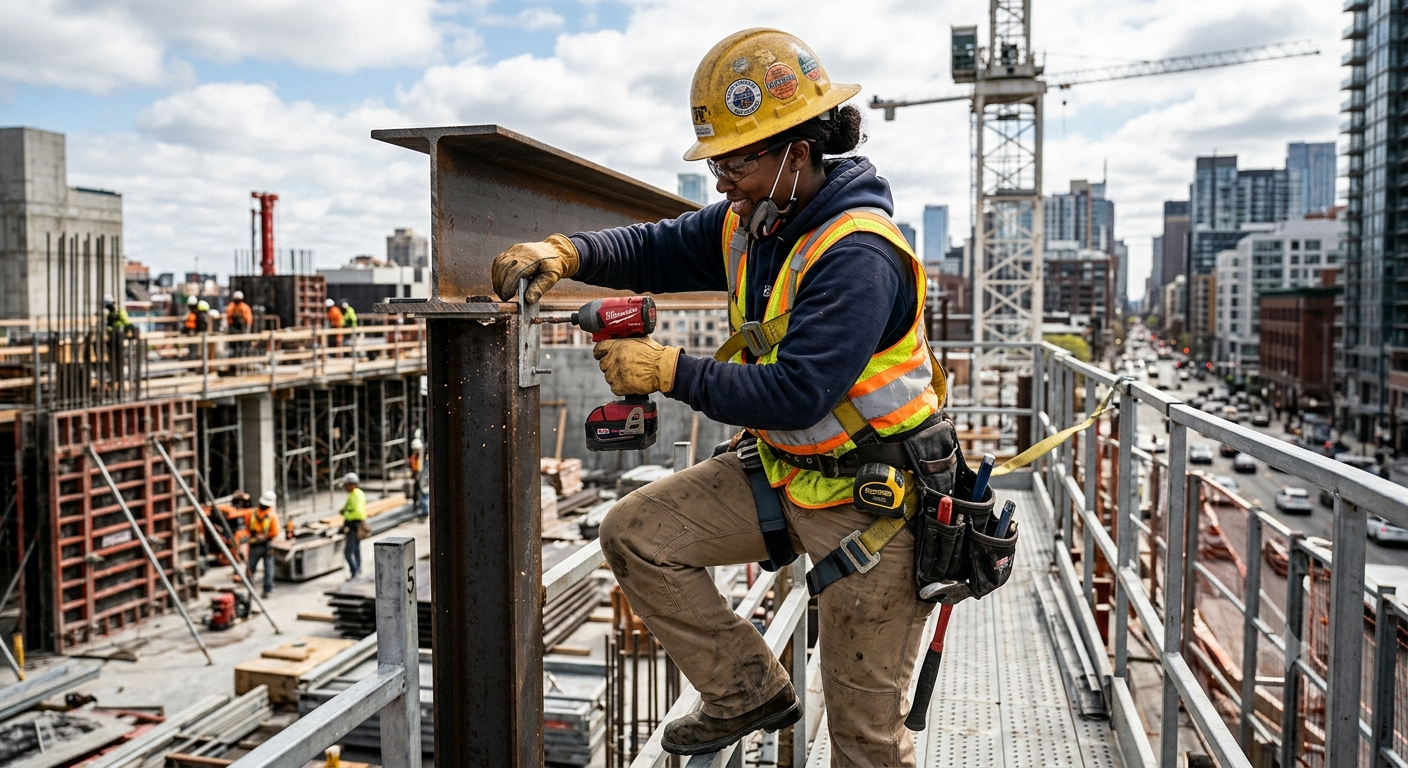
Public works contracts bring prevailing wage requirements and certified payroll reporting that has to be exact — get it wrong and payment on the whole contract can stall. Layer on crews splitting time across two or three active sites in the same week, and hand-tracking hours by project and classification stops being realistic. This is where the right software takes over: applying the correct wage rate and job cost automatically by site and role, instead of relying on a foreman's memory come Friday.
Matching the Software to the Size of the Job
A three-person residential crew and a commercial contractor running five active sites across state lines are both shopping for the same category of tool, but their needs don't overlap much. Smaller shops often start with payroll software for small business use and small business payroll basics, while a larger, multi-site operation needs that same reliability scaled up — more crews, more job codes, more moving parts. A good payroll provider should grow with you rather than force a switch down the road. A few things worth checking before you sign anything:
Cloud-based payroll software and online payroll access — from the job site, not just the office
Automated payroll that calculates prevailing wage and certified payroll without manual spreadsheets
Multi-state payroll for crews working contracts across state lines
Payroll compliance software that keeps pace as wage laws change by state
Payroll reporting software that builds audit-ready certified reports in minutes
A payroll outsourcing option, in case you'd rather hand off payroll processing altogether
Most contractors land on one payroll and HR software platform instead of stitching together separate payroll services, scheduling, and timekeeping tools — it just means fewer places for something to go wrong.
Two Very Different Pay Problems
Payroll for construction workers centers on prevailing wage rates, union fringe calculations, and overtime that shifts by state and project type. Payroll for contractors is a separate challenge entirely — 1099 subcontractor payments, retainage, and job-cost reporting that has to tie cleanly back to each individual contract. Handle both with job-code-based construction payroll software, and cost reporting stays clean no matter how many sites are active at once.
What a Real System Actually Fixes
Project managers see labor cost by site in real time, not weeks after a job runs over budget.
Staffing across multiple active sites is planned with real data instead of a gut feeling.
Shifting a crew from one site to another doesn't turn into a payroll headache.
Certified payroll reports and license renewals get handled automatically instead of chasing paper in a site trailer.
What to Insist On Before You Sign
1. Payroll built for both sides of the crew
One system that handles payroll for construction workers and payroll for contractors without manual patchwork on either side.
2. Real mobile access
Crews check hours and pay from a phone on-site; owners catch overtime risk before it turns into a surprise on payday.
3. Job costing that follows the work
Pay and hours split cleanly by project when a crew moves between sites mid-week.
4. Compliance that runs itself
Certification tracking and certified payroll reports generated automatically, not assembled by hand under deadline pressure.
5. Leave that doesn't leave you short-handed
Time-off requests managed in a way that doesn't blindside a site during a tight deadline.
Straight Answers to Common Payroll Questions
What exactly does a payroll service do?
It calculates wages, files taxes, and issues pay for you — and in construction, a good one also handles prevailing wage rates and certified payroll reporting without extra manual work.
How does payroll actually work, in plain terms?
Hours get logged by project, the correct pay rate and wage rules get applied, taxes are withheld, and pay goes out on schedule. Payroll processing is really just that sequence, done reliably every single pay period.
Where do most construction companies get tripped up?
Applying the wrong prevailing wage rate, missing overtime on crews splitting time across sites, and trying to run multi-state payroll off spreadsheets. A proper payroll management system flags these before they become compliance problems or a delayed contract payment.
Isn't payroll software basically the same as HR software?
Not really — payroll is about wages and taxes, HR is about onboarding, scheduling, and compliance. Payroll and HR software combined means those two sides actually talk to each other instead of living in separate systems.
Looking for payroll services near you?
Talk to the EarnHCM team today +1 (213) 785-1069